
Hands off the wheel
The difference between a nudge and a shove disguised as a question

I’ve recently started some new coach training, as part of my path towards MCC (Master Certified Coach). In an early session, I was watching a more experienced coach work.
She said almost nothing.
At one point, her entire intervention was a single word, dropped in with an upward inflexion – barely a question at all, simply a gentle nudge on the other person’s thinking.
I was uncomfortably aware of my own well-practiced instinct: to build a proper question, set the context, make sure it landed clearly. Watching her, I realised my questions might have a very different impact to what I was intending.
This isn’t about the more obvious distinction between being directive vs. being curious. The nuance sits inside curiosity itself – in how much of yourself you put into the asking. Let’s explore.

Not all curious questions are created equal
Picture two versions of the same moment. Someone brings you a problem.
Version one: you offer a full, careful set-up – some context, a caveat or two, a bit of your own thinking laid out before you finally arrive at the actual question.
Version two: a single word, or a short phrase, delivered with the right pause and the right tone, that does the same job with none of your fingerprints on it.
Both are questions. Both come from a genuine desire to help someone think. But they are not the same intervention.
The difference is about how much of you shows up inside the ask. And the more of yourself you put into a question, the more it can function as an interruption – however well-intentioned.
You’re still taking up space
Every extra word, every qualifier, every bit of careful framing fills space that could be theirs to think in. You intend to open things up. They experience being steered – it may be gently and politely, but steered all the same. That’s the gap between intent and impact, showing up in how your curiosity is experienced by the other person.
It’s similar to what Nancy Kline describes in Time to Think:
“The quality of your attention determines the quality of the other person’s thinking.”
Attention isn’t only about listening once they’ve started speaking. It’s already there, or possibly already crowded out, in how you frame the question that starts them off.
I’m aware of my own default here: a tendency to be long-winded in the name of clarity. It feels helpful, but watching someone do the opposite, it was very clear that’s not always the case.
The upside of feeling a bit clumsy
Noticing this isn’t always fun. Honestly, since that MCC session something that had become second nature to me – I mean I’ve build a career on asking good questions – suddenly felt clunky and clumsy. It’s uncomfortable, yet will also feel familiar if you’ve ever tried to develop a new skill.
That discomfort is the sign it’s working, that you’re in the right place to learn and grow. It isn’t a sign you’re doing something wrong.
And the benefit is worth the discomfort. A lighter-touch question creates more space – for someone else’s thinking, their ownership of the answer, their awareness and creativity. This isn’t a skill confined to coaching sessions. Most workplaces would benefit from more of this kind of question, because it’s part of what actually builds capability and confidence in your people.
Putting this into practice
If you’re up for the challenge of developing this skill yourself, here are a few places to start:
Before you ask anything, ask yourself a second question underneath the first: am I framing this for my own need for clarity, or to support their thinking?
Notice your habitual question length. If you tend towards fuller, more careful framing (as I do…), try the short version first. You can always add more if it doesn’t land, but you can’t take an over-built question back once it’s out.
If in doubt, go lighter. A small nudge leaves someone room to steer their own thinking; a fuller, more elaborate question can end up doing the steering for them, even when that’s the last thing you intended.
It’s worth making the point that obviously it is equally important to notice when this doesn’t apply. Sometimes being directive is exactly the right call. And sometimes even a well-framed question is the wrong tool entirely – if someone is genuinely stuck, another question can just make them feel stupid. Knowing when to ask at all is its own skill.
Get your hands off the wheel
In that training, watching someone else do so little, so well, was the moment my own habits stopped feeling helpful and started feeling like choices I hadn’t been making consciously. Uncomfortable, yes. But it’s exactly the kind of pause I now want before I open my mouth, to notice before I start to ramble.
There’s a difference between a small correction on the wheel and taking hold of it outright. Both can look, from the outside, like “just a question.”
This week, notice your own questions – not so much whether you’re being directive or curious (though that may be useful too), but how much of yourself you’re putting into the ones you already think of as open. Was it a nudge, or was it a shove?
Hit reply or leave a comment: what’s the shortest, lightest question you’ve ever asked that did the most work?
Restack
Useful, practical and honest. Because no one wants to sound like a d*ck but many of us could benefit from being more direct…

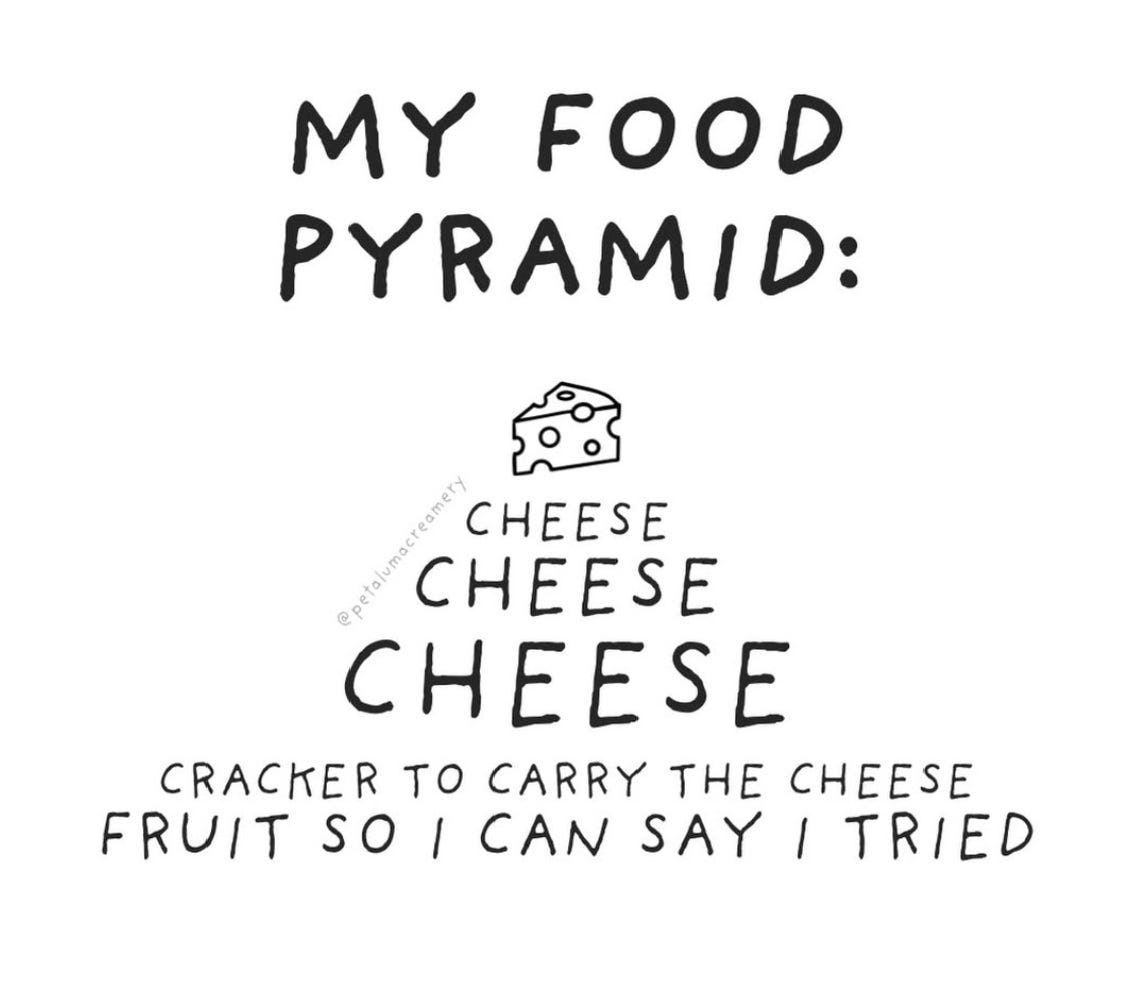
Meme of the week
Totally unrelated. Also accurate. And one of an ongoing series of cheese-related memes shared with one particular friend 🧀
Enjoyed this? Subscribe to receive more like this in your inbox each Friday. Or follow to ensure you see my posts in the Substack app. You can also read my full Substack archive here.
Want to read more from me? Read my book, Do Sweat the Small Stuff, or follow me on Linkedin for more regular content.
Please use this button to share this post with someone who you think would enjoy it!
Get in touch by email if you’d like to explore me speaking to your organisation or at your event, or are interested in working with me as a coach.
Thanks for reading. See you next week!
Sarah